

 English
 Español
 عربى
عربى

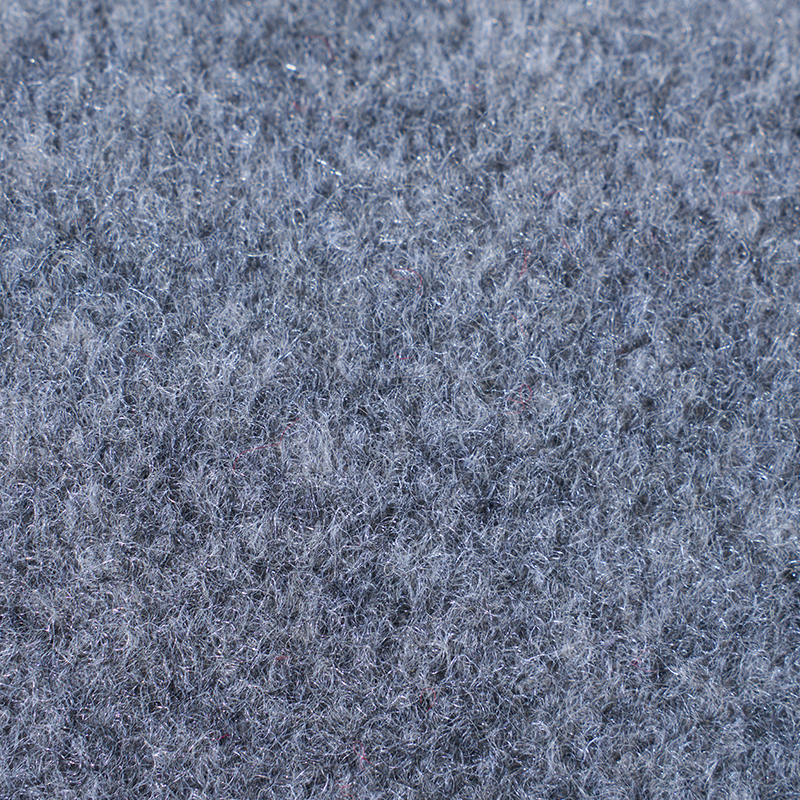
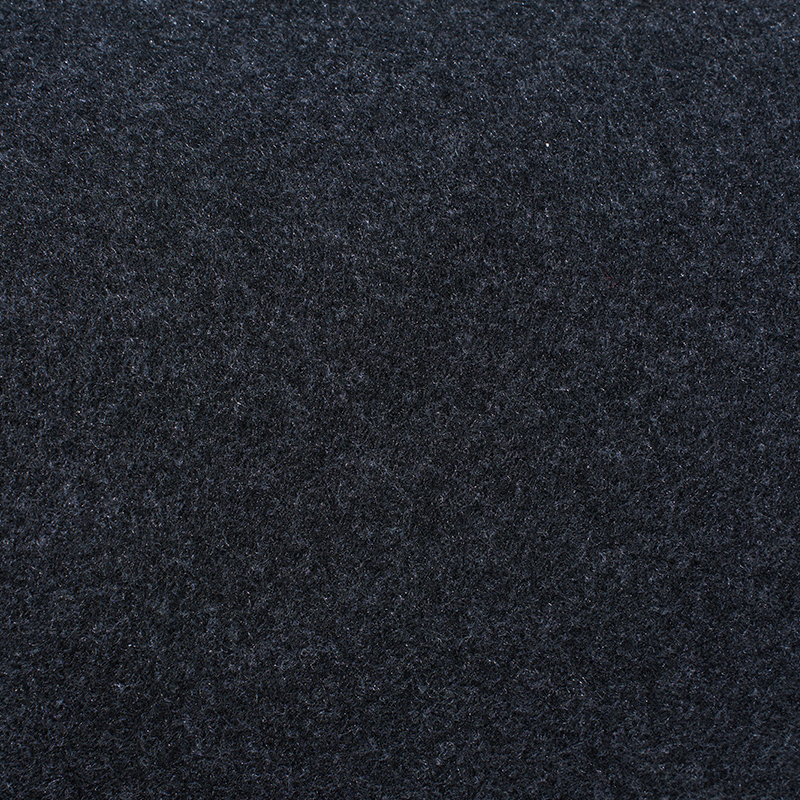
Sustainable waterborne faux suede coated imitation microfiber is an innovative textile material designed to replicate the soft texture and appearance of natural suede while promoting environmentally responsible production methods. Unlike traditional solvent-based processes, this material is produced using waterborne coating technology, which reduces reliance on harmful chemicals and lowers environmental impact.
Sustainable waterborne faux suede coated imitation microfiber is a modern textile designed to replicate the softness and appearance of natural suede while promoting eco-friendly production. It is made from ultra-fine synthetic fibers with a waterborne coating process, reducing the use of harmful solvents and lowering environmental impact. This fabric offers durability, flexibility, and a smooth texture, making it suitable for fashion, upholstery, footwear, and automotive interiors. Easy to cut, sew, and shape, it provides versatility for both functional and decorative applications. Combining performance with sustainability, it supports the growing demand for responsible material choices across industries.
The structure of imitation microfiber provides a dense yet flexible base for the suede-like coating. Ultra-fine synthetic fibers, often made from polyester or nylon, are bonded together to form a smooth and uniform substrate. This foundation is then finished with a waterborne coating that enhances softness, color depth, and surface consistency. The coating technology not only improves the tactile qualities of the fabric but also contributes to breathability and comfort, making it suitable for a variety of end uses.
One of the defining features of this material is its versatility. It can be applied in fashion, footwear, upholstery, and automotive interiors where the look and feel of suede are desired without the use of animal-derived products. The fabric’s even texture and stable surface make it well-suited for dyeing, printing, and embossing, allowing designers to achieve a wide range of creative effects. Additionally, the durability of imitation microfiber ensures resistance to abrasion and deformation, supporting long-term functionality in both decorative and practical applications.
Performance characteristics extend beyond appearance. Sustainable waterborne faux suede coated microfiber offers insulation, comfort, and lightweight flexibility. It can be engineered to meet specific requirements such as water resistance, flame retardancy, or enhanced breathability depending on its intended application. These adaptable features allow the material to serve multiple industries while meeting evolving consumer and regulatory expectations.
Ease of processing is another advantage of this fabric. It can be cut, sewn, glued, or laminated with other materials without fraying or losing integrity. This makes it practical for both large-scale manufacturing and smaller, specialized projects. In upholstery and automotive interiors, for instance, the fabric maintains consistent quality even when shaped or stitched into complex forms.
Sustainability is a central aspect of this material’s appeal. The use of waterborne coating technology smalls emissions associated with solvent-based methods and supports safer production environments. Furthermore, the increasing incorporation of recycled fibers into imitation microfiber production aligns with broader efforts to reduce resource consumption and promote circular practices. Research continues to focus on enhancing recyclability and developing bio-based alternatives to complement synthetic fiber use, ensuring that future materials balance high performance with environmental responsibility.
In summary, sustainable waterborne faux suede coated imitation microfiber represents a modern textile solution that combines style, functionality, and sustainability. Its soft texture, reliable performance, and wide range of applications make it an adaptable choice for industries seeking alternatives to traditional suede. Through advances in waterborne coating and responsible material sourcing, this fabric supports the growing demand for environmentally conscious design while maintaining the qualities needed for both aesthetic and practical purposes.