

 English
 Español
 عربى
عربى

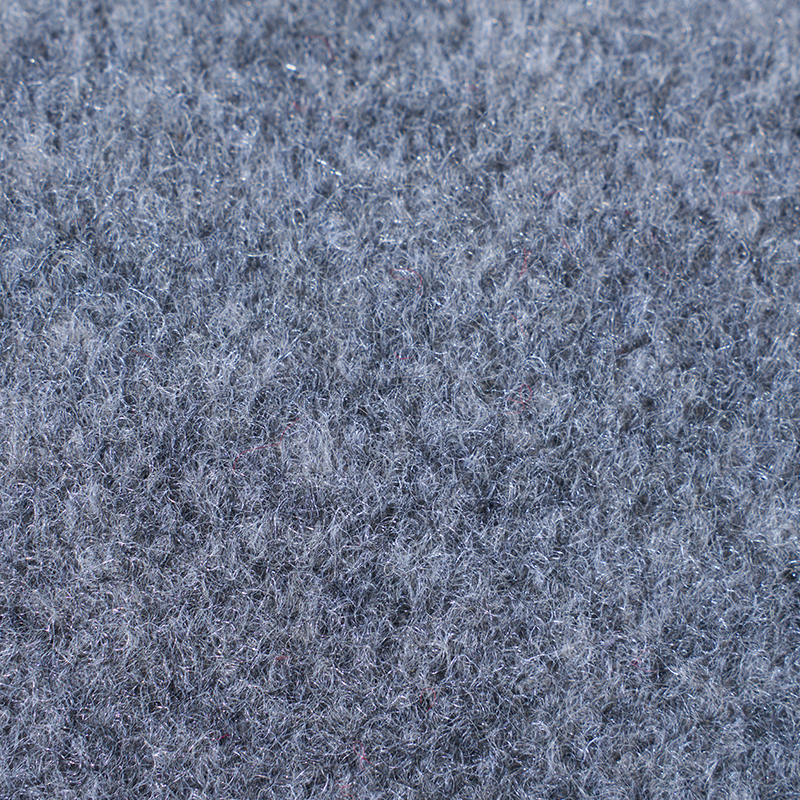
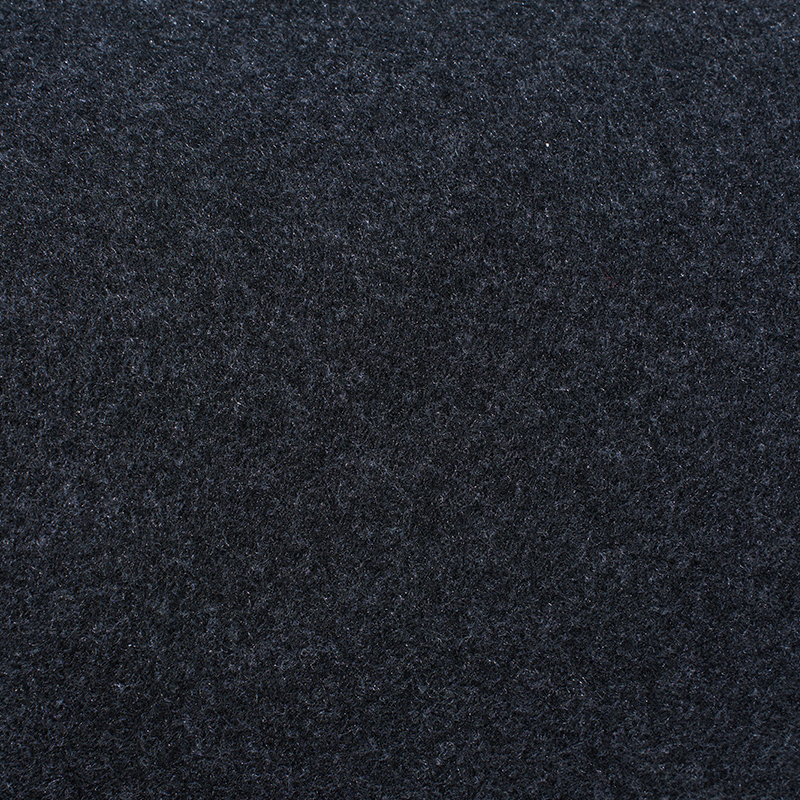
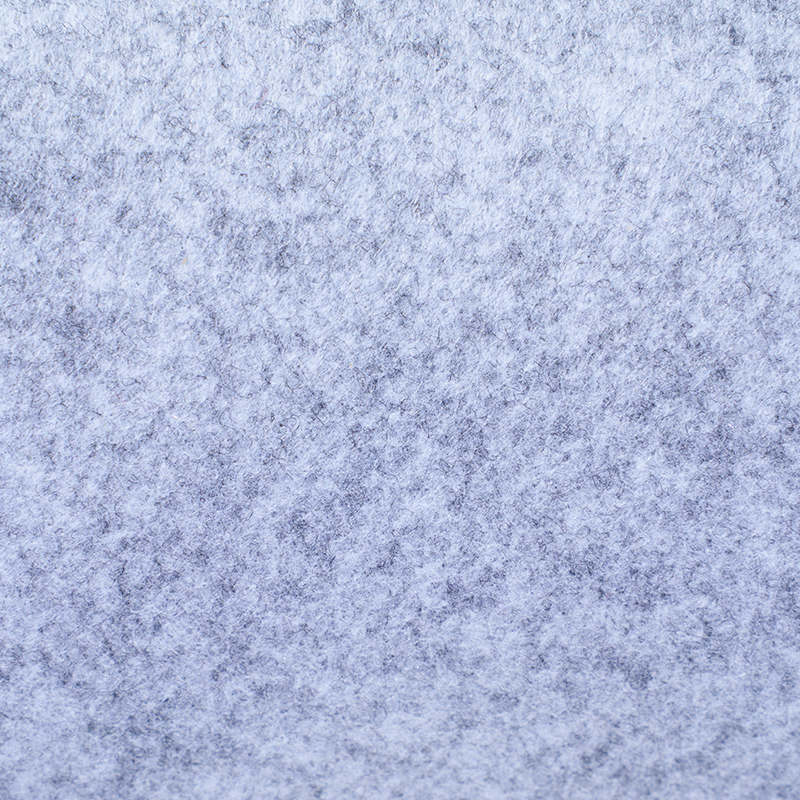
Fuzzy fleeced brushed nonwoven fabric is a textile that combines softness, warmth, and functionality through specialized finishing techniques. Unlike woven or knitted materials, this fabric is produced by bonding fibers together mechanically, thermally, or chemically, creating a stable nonwoven base. The surface is then brushed to raise fine fibers, giving it a fleeced texture that enhances comfort and insulation. The result is a versatile material with both functional and aesthetic qualities, suitable for a wide range of applications.
The brushed surface is one of the defining characteristics of this fabric. By mechanically raising the fibers, manufacturers create a fuzzy texture that feels soft to the touch while improving thermal retention. This makes the fabric particularly suitable for products that require warmth and comfort, such as blankets, linings, cushions, and certain apparel. The fleeced effect also provides a pleasant visual appearance, adding depth and richness to the fabric’s surface.
From a functional perspective, fuzzy fleeced brushed nonwoven fabric offers durability and practicality. The nonwoven structure ensures stability, while the brushed finish enhances its cushioning and insulating properties. This combination is valuable in industries such as home furnishings, where the material is used in bedding, upholstery, and decorative elements. It is also applied in apparel for linings and outer layers, offering lightweight warmth without compromising flexibility.
The fabric’s adaptability is another key advantage. It can be produced from a variety of fibers, including polyester, polypropylene, or blends, depending on the performance requirements. Synthetic fibers provide moisture resistance and resilience, while blended compositions can be engineered to balance softness, strength, and sustainability. In some cases, recycled fibers are incorporated to reduce environmental impact, aligning the material with responsible production practices.
Processing options further enhance the versatility of fuzzy fleeced brushed nonwoven fabric. It can be easily cut, sewn, laminated, or combined with other textiles to create multilayered products. Its resistance to fraying makes it convenient to handle during both industrial production and smaller-scale creative projects. Additionally, the surface can be dyed, printed, or embossed, offering opportunities for customization and design innovation.
Comfort and insulation are not the only benefits. The brushed surface can also improve sound absorption, making the fabric suitable for acoustic panels or interior applications where noise reduction is desired. This feature, combined with its lightweight nature, expands its usefulness in construction and automotive interiors, where both functional and aesthetic properties are required.
Sustainability continues to influence the development of brushed nonwoven fabrics. Manufacturers are increasingly turning to eco-friendly fibers and water-based finishing processes to reduce environmental impact. Research efforts are also focusing on enhancing recyclability and extending product lifecycles, ensuring that the fabric meets both performance and sustainability goals.
In conclusion, fuzzy fleeced brushed nonwoven fabric is a versatile material that combines softness, insulation, and durability with design flexibility. Its brushed surface enhances both comfort and appearance, while the stable nonwoven base provides strength and reliability. With applications in home furnishings, apparel, construction, and automotive interiors, this fabric demonstrates its adaptability across industries. Continued innovations in fiber sourcing and finishing techniques are likely to further expand its role as a practical and sustainable textile solution.