

 English
 Español
 عربى
عربى

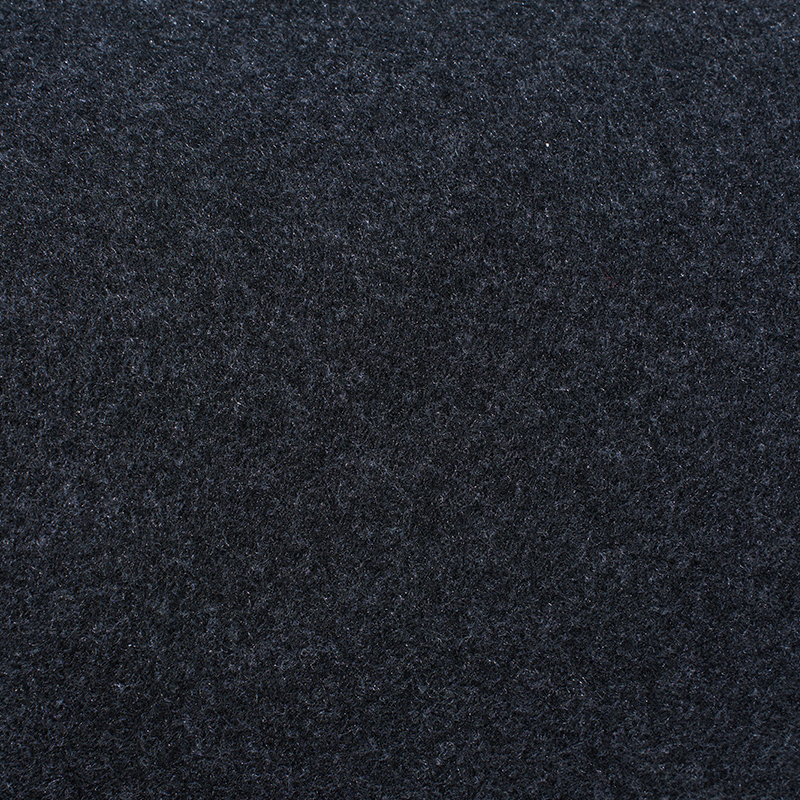
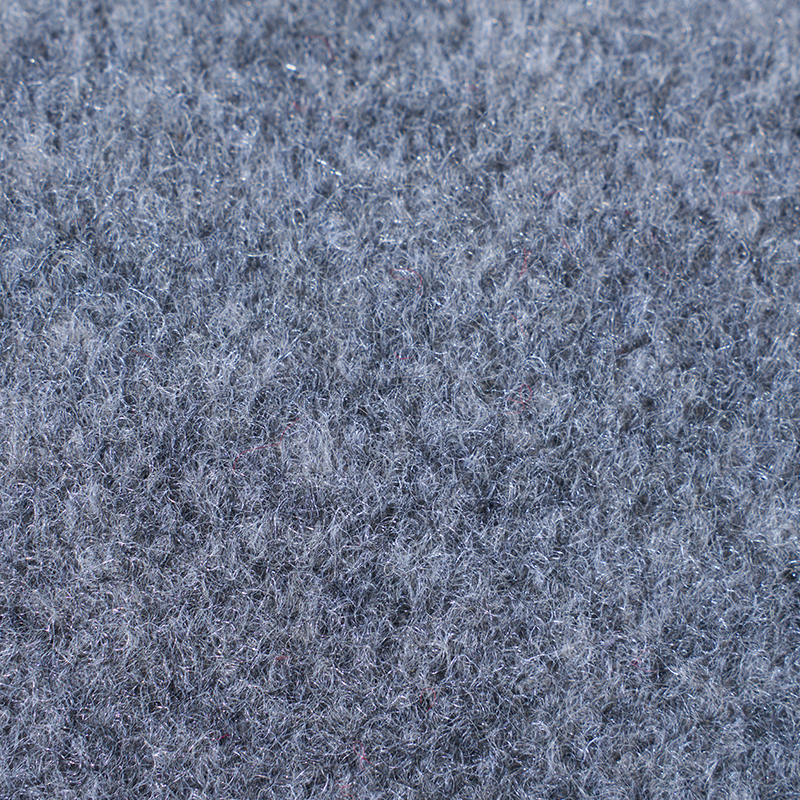
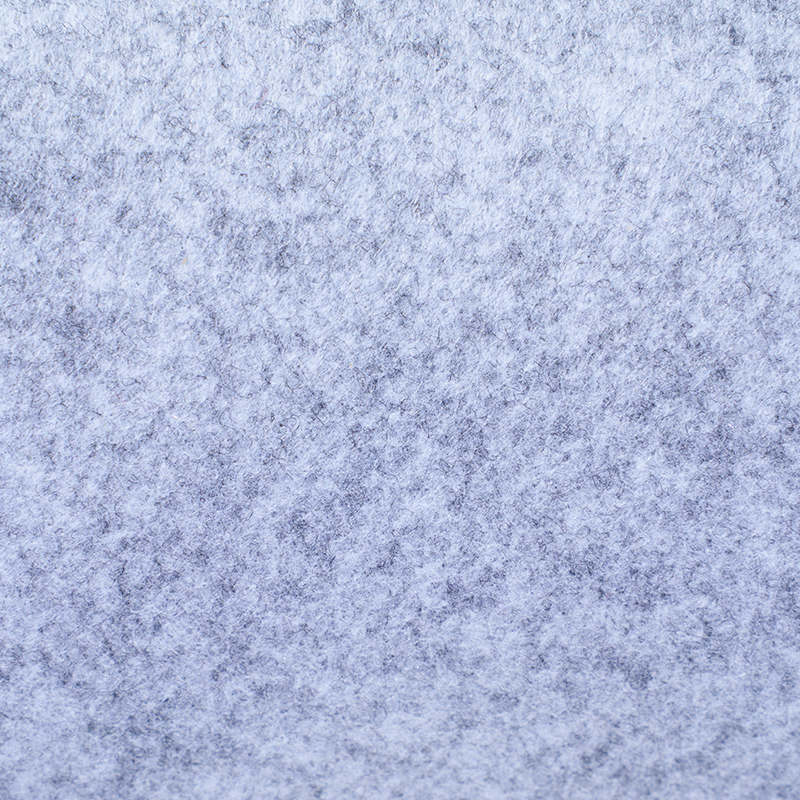
Needle punched synthetic felted nonwoven fabric is a widely used textile that combines strength, flexibility, and versatility. Unlike woven or knitted fabrics, it is created by mechanically interlocking fibers using a process known as needle punching. During production, barbed needles repeatedly penetrate a web of synthetic fibers, entangling them into a dense and stable structure. This method eliminates the need for weaving or knitting, resulting in a fabric that is uniform, durable, and adaptable to various requirements.
One of the main advantages of needle punched synthetic felt is its mechanical stability. The entangled fibers create a fabric that resists tearing and deformation while maintaining flexibility. This property makes it suitable for a wide range of industrial applications where both strength and adaptability are required. For instance, it is often used in automotive interiors, filtration systems, construction materials, and protective linings. The ability of the material to maintain consistent thickness and density also contributes to reliable performance in demanding environments.
Another notable characteristic of this fabric is its cushioning and insulating properties. The dense fiber structure can absorb shock, reduce vibration, and provide thermal and acoustic insulation. As a result, needle punched felt is frequently incorporated into flooring underlays, soundproofing systems, and packaging solutions. Its insulating qualities also make it valuable in apparel and protective gear, where comfort and functionality must be balanced.
The use of synthetic fibers, such as polyester or polypropylene, provides additional benefits to needle-punched felt. These fibers are resistant to moisture, microorganisms, and many chemicals, which enhances durability in applications involving exposure to challenging conditions. Synthetic compositions also allow the fabric to be engineered for specific performance characteristics, such as water resistance, flame retardancy, or high-temperature stability. This adaptability ensures that the material can be customized to meet the requirements of diverse industries.
Ease of processing is another strength of needle punched synthetic felted nonwoven fabric. It can be easily cut, sewn, glued, or laminated without fraying, making it convenient for both large-scale industrial use and smaller, specialized applications. Manufacturers often take advantage of this property to design products that combine the felt with other materials, improving functionality or aesthetics. The versatility of this fabric means it is equally suitable for utilitarian roles and creative projects.
Sustainability considerations are also influencing the production of needle punched nonwoven fabrics. Increasingly, recycled synthetic fibers are being incorporated into their manufacture, reducing waste and supporting circular production models. Research and development efforts continue to explore new fiber sources and production techniques that balance performance with environmental responsibility. This direction aligns the fabric with broader trends in sustainable design and responsible material use.
In conclusion, needle punched synthetic felted nonwoven fabric is a practical and adaptable material that offers consistent performance across many applications. Its combination of strength, insulation, flexibility, and ease of processing ensures its ongoing relevance in industries such as automotive, construction, filtration, and protective products. With continuing innovations in materials and production methods, this fabric is expected to remain an important component of both industrial solutions and creative applications.