

 English
 Español
 عربى
عربى

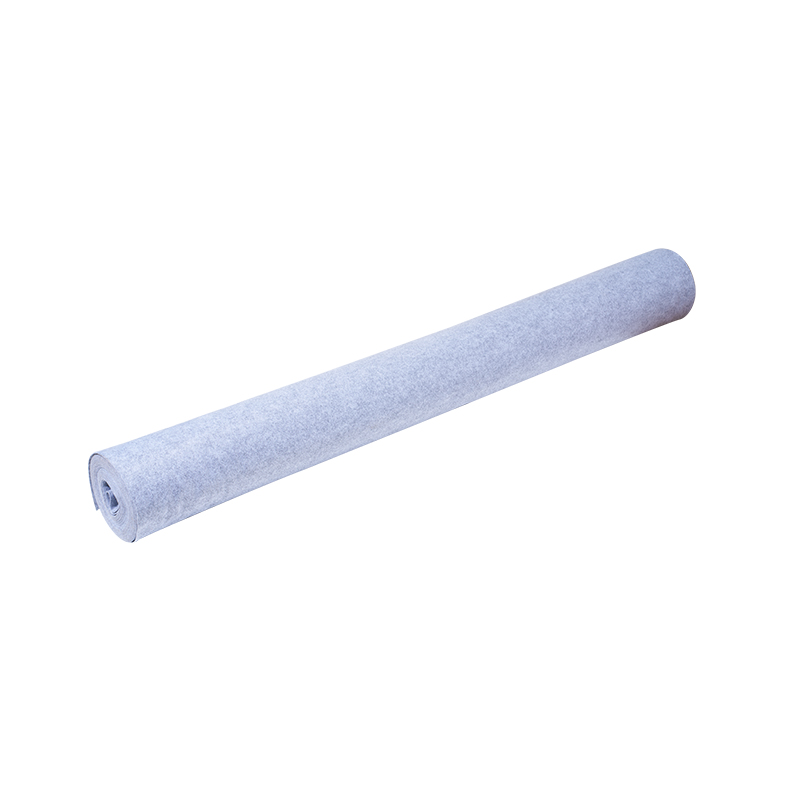
Anti static antimicrobial adhesive non woven fabric is a practical material developed to meet the growing needs of industries that require safety, hygiene, and convenience in one solution. This type of fabric combines multiple functions into a single structure, offering reliable surface protection and usability across various applications.
One of the main features of this fabric is its anti static performance. In environments where electronic components or delicate equipment are present, static discharge can create unnecessary risks. The anti static property of the fabric helps to reduce surface charge accumulation, supporting safer handling and storage conditions. By maintaining a balanced surface potential, it smalls disruptions that could occur in manufacturing or packaging settings.
In addition to controlling static, the antimicrobial aspect of the fabric provides another layer of protection. Microorganisms can thrive on untreated surfaces, pilot to concerns over hygiene and durability. By incorporating antimicrobial treatment into the fibers, the fabric helps limit microbial growth. This is particularly useful in sectors such as healthcare, food packaging, and cleanroom operations, where maintaining a sanitary environment is important. The antimicrobial property also extends the functional lifespan of the material by resisting unwanted odor and contamination.
The adhesive backing is a practical addition to the non woven base. It allows for simple application to surfaces without the need for extra fastening systems. This self-adhesive quality reduces labor during installation and ensures a secure fit in the chosen position. It can be applied to panels, workstations, packaging layers, or even personal protective products, depending on the requirements of the setting. Once adhered, the material stays in place, providing consistent performance throughout its usage period.
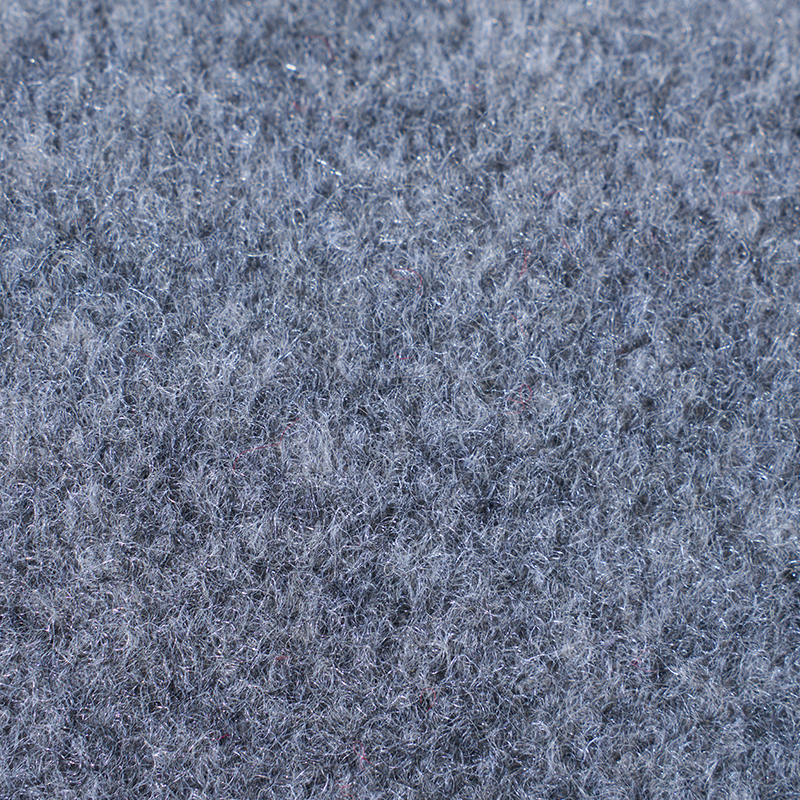
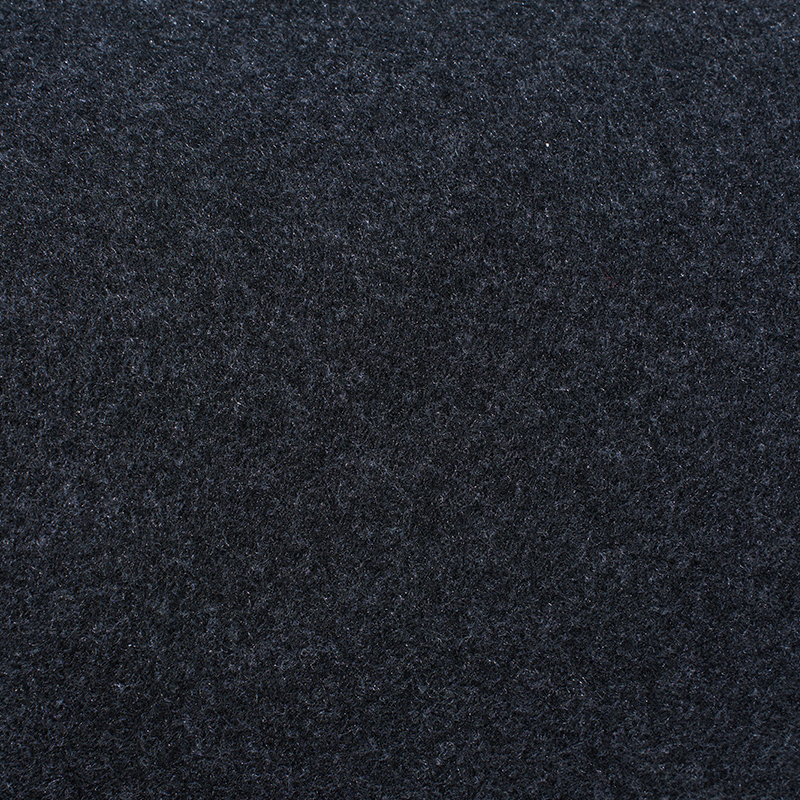
From a structural perspective, the non woven construction contributes several advantages. Unlike woven textiles, non woven fabrics are produced by bonding fibers together, resulting in a uniform surface with controlled properties. This method allows precise adjustment of thickness, weight, and density, depending on the intended function. As a result, the fabric can be engineered to balance softness, strength, and flexibility, making it adaptable to different industries.
Practical uses for anti static antimicrobial adhesive non woven fabric span across multiple fields. In electronics, it can be used as a protective covering for sensitive devices. In medical environments, it supports infection control measures by adding antimicrobial assurance. In packaging, it protects goods during transport while reducing electrostatic risks. Industrial workspaces also benefit from its adhesive nature, as it can be positioned on benches, walls, or tools for long-lasting coverage.
Sustainability considerations are also relevant. Many non woven materials can be produced with recyclable components or through processes that small waste. This makes them an option for industries aiming to balance performance with environmental responsibility. The adhesive function further reduces the need for secondary fasteners, lowering material consumption overall.
In summary, anti static antimicrobial adhesive non woven fabric integrates three essential qualities into a single material: electrostatic control, microbial resistance, and user-friendly adhesion. Its construction provides consistent performance and adaptability across sectors ranging from electronics and healthcare to packaging and manufacturing. By offering reliable safety and hygiene benefits in a convenient form, it supports both functional efficiency and workplace protection.