

 English
 Español
 عربى
عربى

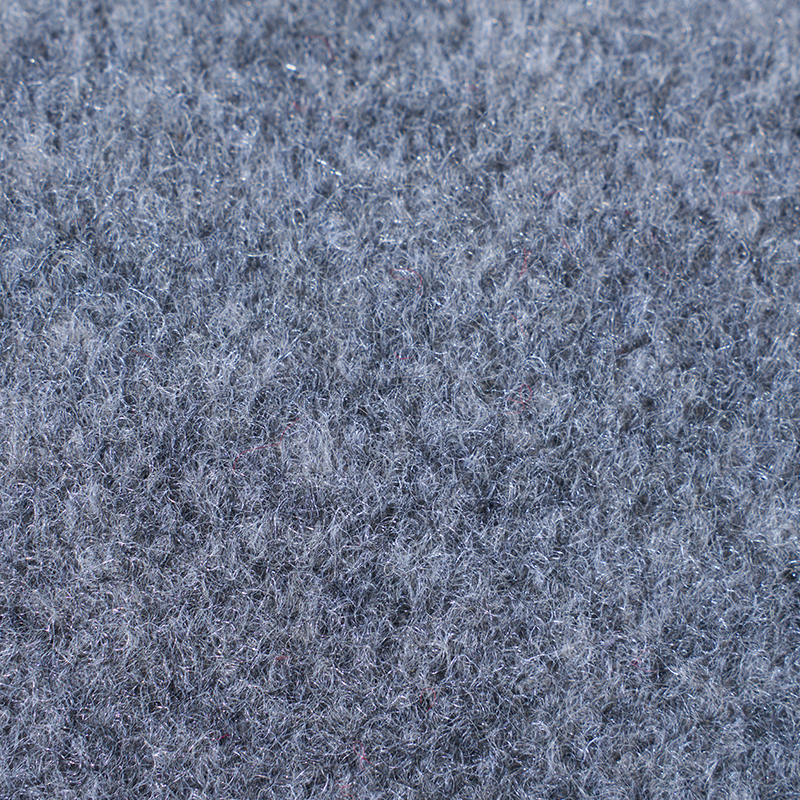
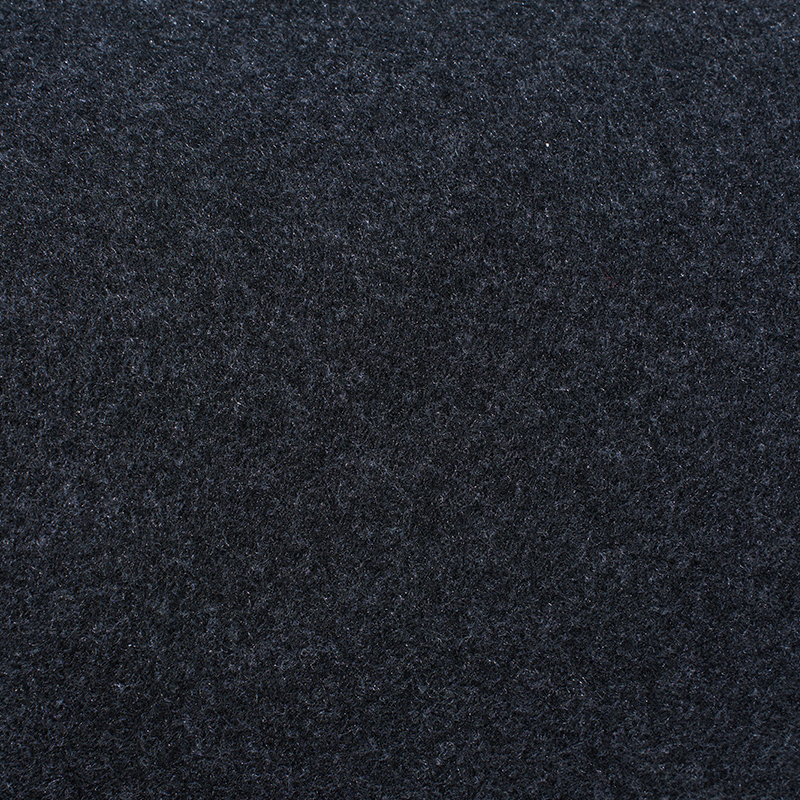
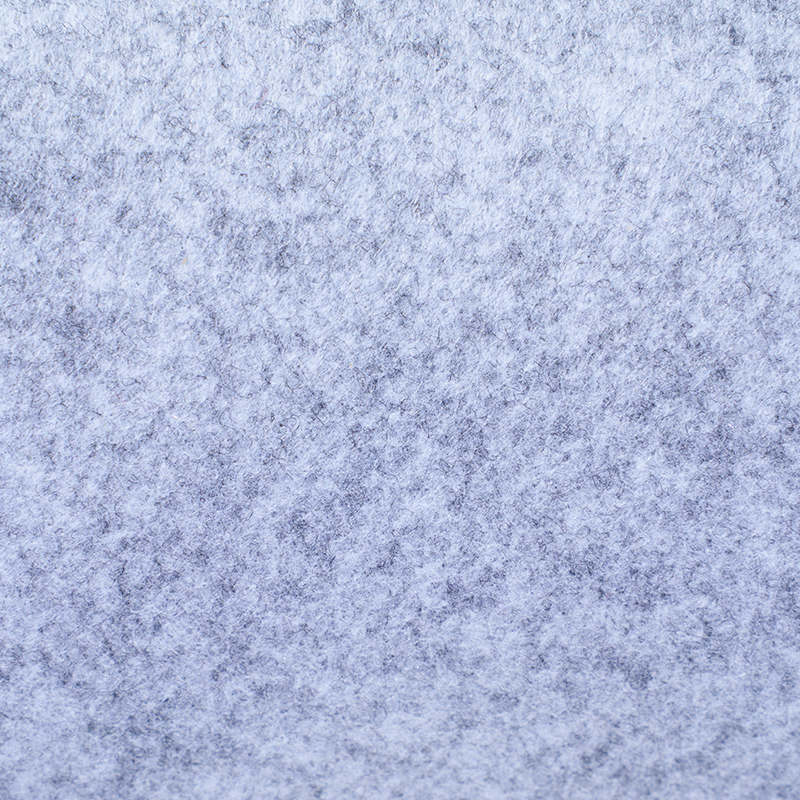
Heavy-duty high-density thick nonwoven fabric is a specialized textile engineered to provide strength, durability, and versatility for demanding applications. Unlike woven or knitted fabrics, this material is formed by bonding fibers together through mechanical, thermal, or chemical processes. The high-density structure, combined with added thickness, results in a fabric that maintains stability under pressure while offering a balance of resilience and flexibility.
One of the defining features of this fabric is its structural integrity. The densely packed fibers create a strong and uniform sheet that resists tearing, stretching, and deformation. The thickness enhances these properties, making the material suitable for heavy-duty uses where long-term performance is essential. From industrial applications to protective coverings, this type of nonwoven fabric provides reliable functionality without adding excessive weight.
In construction and civil engineering, heavy-duty thick nonwoven fabrics are often used as geotextiles, where they serve functions such as soil stabilization, erosion control, and drainage support. Their strength and density allow them to act as a barrier or reinforcement layer, extending the life of structures while maintaining environmental compatibility. Similarly, in packaging and transportation, these fabrics provide cushioning, protection, and load-bearing capacity, ensuring materials are safely stored and transported.
The versatility of this fabric extends to filtration, automotive interiors, and furniture manufacturing. In filtration, the dense structure captures particles while allowing controlled airflow, making it useful in both industrial and environmental applications. In automotive and furniture sectors, the fabric can be used as padding, lining, or reinforcement, adding both durability and comfort to the final product.
Another advantage of heavy-duty high-density nonwoven fabric is its adaptability to various treatments. It can be engineered to include water resistance, flame retardancy, or UV protection, depending on the intended use. These additional properties expand its applications across diverse industries, ensuring that the fabric can meet specific performance requirements.
Processing flexibility further adds to its value. Despite its thickness and strength, the fabric can be cut, sewn, laminated, or combined with other materials without compromising integrity. This makes it suitable for both large-scale industrial manufacturing and specialized projects that require precision and customization.
Sustainability is also becoming an important focus in the production of thick nonwoven fabrics. Increasingly, recycled fibers are incorporated into manufacturing, reducing waste and supporting circular material systems. Research continues to explore bio-based alternatives and resource-efficient production methods, ensuring that heavy-duty nonwoven fabrics align with environmental goals while maintaining performance standards.
The market demand for high-density nonwoven textiles is expected to grow steadily, driven by their practicality and adaptability. Industries are recognizing the benefits of materials that combine strength, thickness, and ease of use, especially as sustainability and efficiency become central considerations in material selection.
In conclusion, heavy-duty high-density thick nonwoven fabric is a versatile and reliable textile solution designed to perform in challenging conditions. Its structural strength, insulating and cushioning properties, and adaptability to specialized treatments make it suitable for a wide range of applications, from construction and packaging to automotive and filtration. With ongoing innovation in fiber technology and sustainable production, this fabric is positioned to remain an essential material in both industrial and commercial sectors.