

 English
 Español
 عربى
عربى

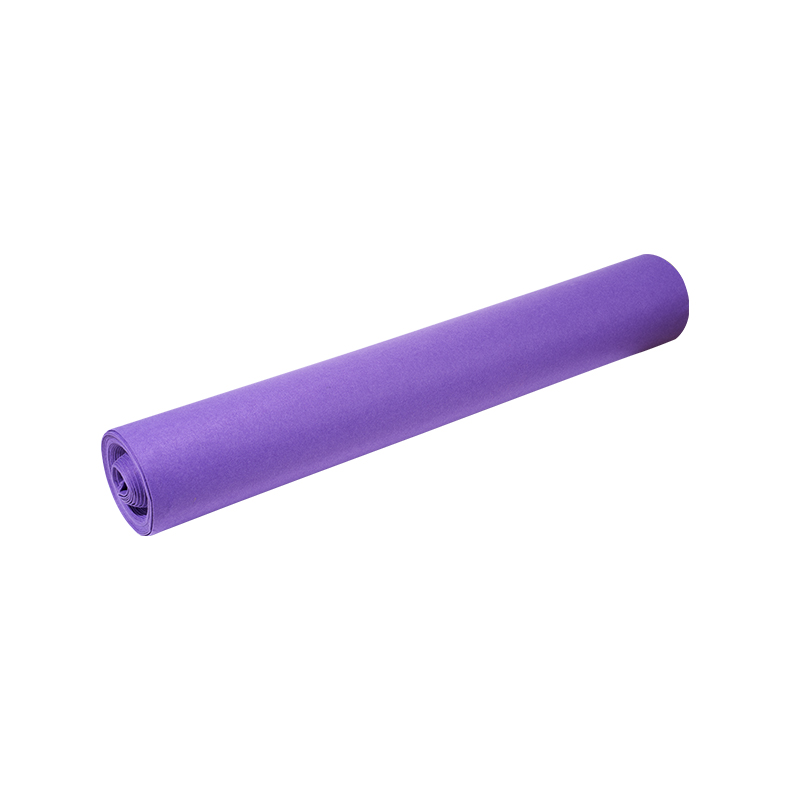
PU artificial synthetic leather nonwoven fabric is a versatile material widely used across industries for its balance of aesthetic appeal, durability, and functionality. Combining the look and feel of natural leather with the practical advantages of synthetic production, this material has become a popular choice in both commercial and consumer applications.
The core of this fabric is its polyurethane (PU) coating, which gives it a smooth and flexible surface. PU is known for its resilience and resistance to wear, making the fabric suitable for items that require frequent handling or long-term use. Unlike natural leather, PU-based materials do not require extensive maintenance or conditioning, offering a convenient alternative for manufacturers and end users alike.
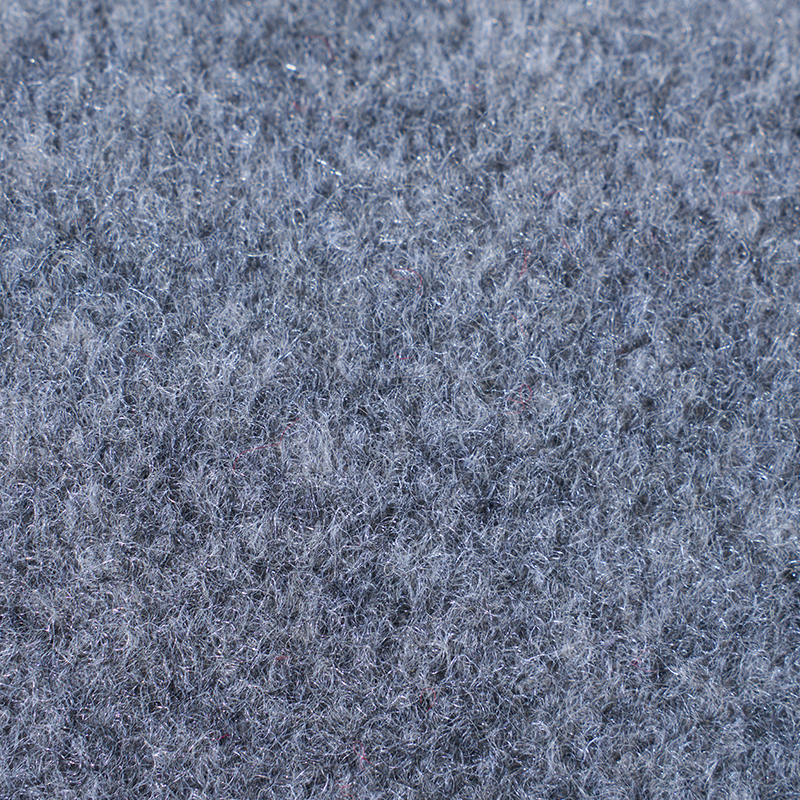
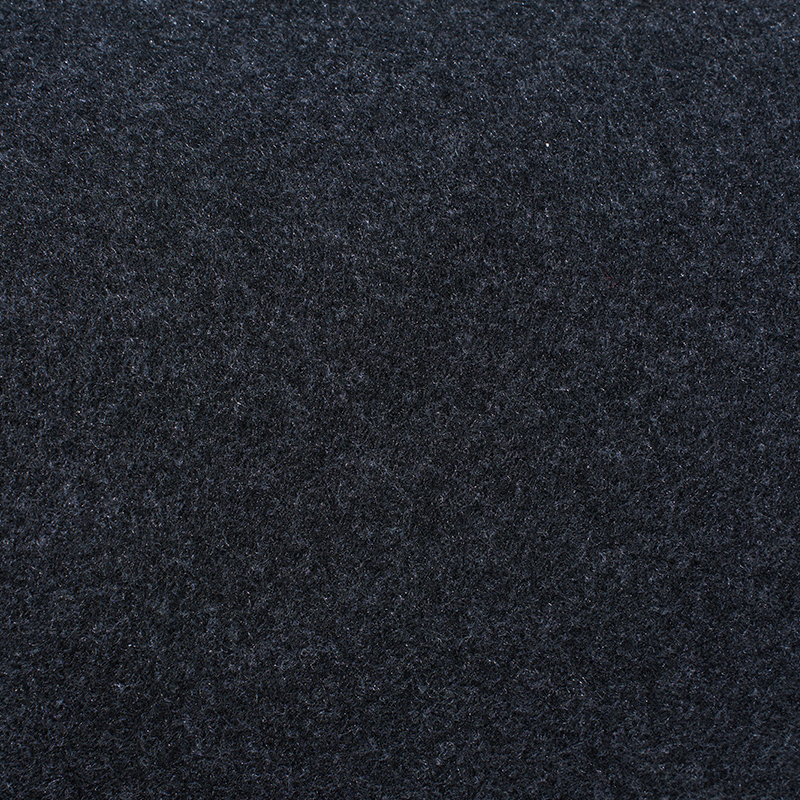
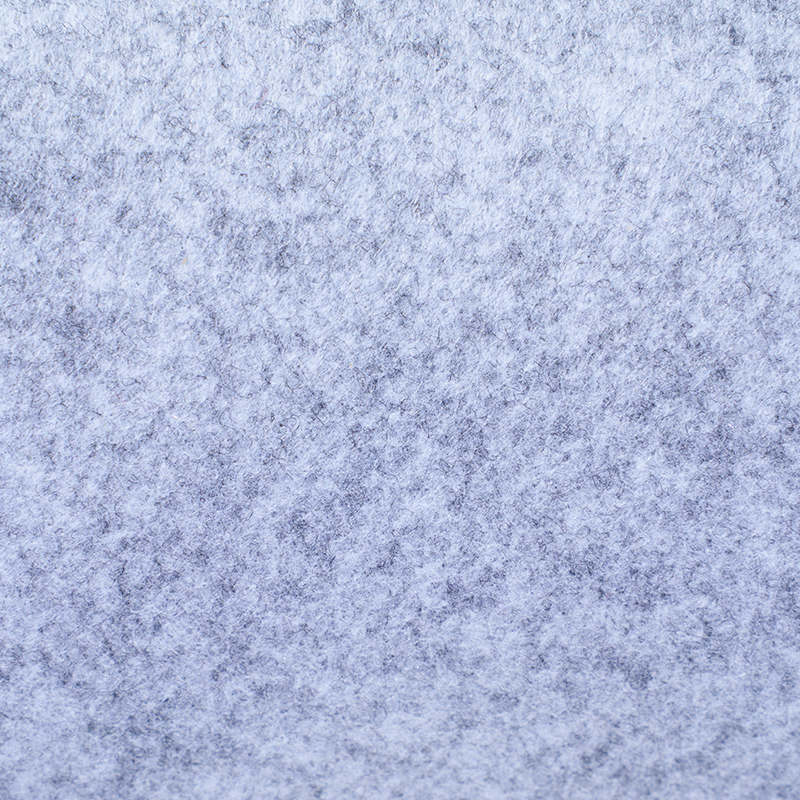
The nonwoven substrate contributes additional benefits to the structure of the fabric. Nonwoven fabrics are produced by bonding fibers together rather than weaving them, resulting in a consistent and uniform texture. This method allows precise control over the thickness, strength, and flexibility of the material. When combined with PU, the nonwoven base provides a stable foundation that improves dimensional stability, tear resistance, and overall durability.
One significant advantage of PU artificial leather nonwoven fabric is its adaptability to various applications. In the furniture industry, it is commonly used for upholstery, offering a clean, uniform appearance while being easy to clean and maintain. In automotive interiors, the material serves as a cost-effective yet durable alternative to natural leather, providing a comfortable surface for seats, door panels, and dashboards. Footwear, bags, and fashion accessories also benefit from its flexibility and aesthetic appeal, allowing designers to create products with a leather-like finish without relying on animal-derived materials.
Another notable feature of this fabric is its water and stain resistance. The PU coating forms a protective barrier that prevents liquid absorption and makes cleaning straightforward. This characteristic is especially useful in environments prone to spills, dirt, or moisture. Additionally, the synthetic nature of the fabric allows it to maintain color consistency and surface quality over time, ensuring that products retain their appearance even under regular use.
Environmental considerations have contributed to the growing popularity of PU artificial leather nonwoven fabric. By using synthetic alternatives instead of natural hides, production can reduce the reliance on animal resources while offering a recyclable and potentially lower-impact material option. Moreover, advances in PU formulation allow manufacturers to produce materials that are more eco-conscious, with reduced emissions during production and fewer chemical residues.
In terms of design versatility, PU artificial leather nonwoven fabric can be embossed, printed, or coated with various finishes to achieve different textures and patterns. This flexibility allows manufacturers to customize the look and feel of the fabric for a wide range of products, from modern small furniture to decorative automotive interiors. The combination of consistent texture, durability, and ease of processing makes it a reliable choice for both small-scale and large-scale manufacturing.
In summary, PU artificial synthetic leather nonwoven fabric is a material that effectively combines functionality, durability, and visual appeal. Its PU coating offers resistance to wear, stains, and moisture, while the nonwoven substrate ensures stability and strength. Widely used in furniture, automotive, fashion, and accessory applications, it provides a sustainable and adaptable alternative to natural leather. Its combination of performance and versatility makes it a practical solution for industries seeking a balance between aesthetics and functionality.