


 English
 Español
 عربى
عربى

Electronic packaging felt is increasingly used to protect sensitive devices during manufacturing, transport, and storage. This specialized felt provides cushioning, vibration damping, and surface protection for components such as circuit boards, displays, and semiconductors. Produced from synthetic or blended fibers, electronic packaging felt is designed to maintain dimensional stability, resist compression, and abrasion or electrostatic risk.
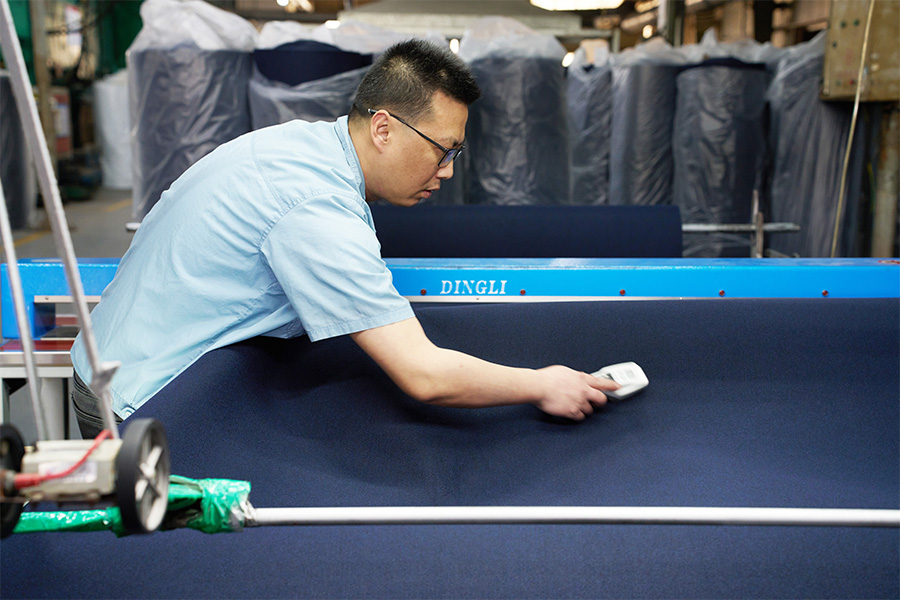
In practice, electronic packaging felt is commonly used as sheets, pads, or molded inserts to stabilize and protect sensitive devices in containers or along assembly lines. Its layered structure provides slight compressibility, which allows it to absorb shocks and vibrations without compromising the alignment or orientation of delicate components. This cushioning effect is particularly valuable for fragile items such as circuit boards, displays, and semiconductor wafers, where even minor impacts can lead to damage. The material’s density and fiber interlocking also contribute to consistent support, ensuring that devices remain securely positioned during transport or automated handling processes.
Additionally, electronic packaging felt can be engineered to meet specific protective requirements. Antistatic properties can be incorporated to prevent electrostatic discharge, a critical consideration for many electronic components. Manufacturers also offer customization in terms of thickness, fiber density, and surface smoothness, allowing the felt to match the fragility, weight, and size of different products. Standardized sheets are used for mass production, while tailored inserts are designed for high-value or unusually shaped components. This flexibility in design ensures that electronic packaging felt delivers reliable protection across a wide range of manufacturing and shipping scenarios.
The material also plays an important role in sustainable packaging strategies. Many manufacturers of electronic packaging felt are incorporating recyclable fibers or biodegradable components, aiming to reduce environmental impact without compromising protective performance. Using recycled polyester, for instance, allows the material to retain over 80% of its cushioning and shock-absorbing capabilities while consuming fewer resources during production. These eco-conscious practices help companies meet regulatory requirements and satisfy growing consumer demand for environmentally responsible materials, all while maintaining reliable performance for sensitive electronic products.
Beyond electronics, the adaptability of this felt makes it suitable for a variety of precision applications. Optical instruments, medical devices, and high-precision mechanical equipment benefit from its cushioning, vibration-dampening, and surface-protective qualities. The felt can be customized in thickness, fiber density, and antistatic properties to match the specific fragility and requirements of each product, ensuring secure handling during storage, transport, and assembly. This combination of sustainable materials and tailored performance allows electronic packaging felt to serve diverse industrial and technical needs effectively.
Maintenance and storage considerations are also relevant. Packaging felt should be stored in dry, clean environments to avoid fiber contamination, compression, or moisture absorption that may reduce protective performance. Proper handling ensures that the felt continues to provide consistent cushioning, vibration control, and surface protection during repeated use.
Electronic packaging felt continues to be a critical material in modern electronics supply chains. Its combination of cushioning, vibration-dampening, and surface protection ensures that delicate components remain secure during transport and assembly. Additionally, customizable thickness, density, and antistatic properties allow manufacturers to tailor solutions for specific devices, while sustainable fiber choices support eco-friendly production practices.