

 English
 Español
 عربى
عربى

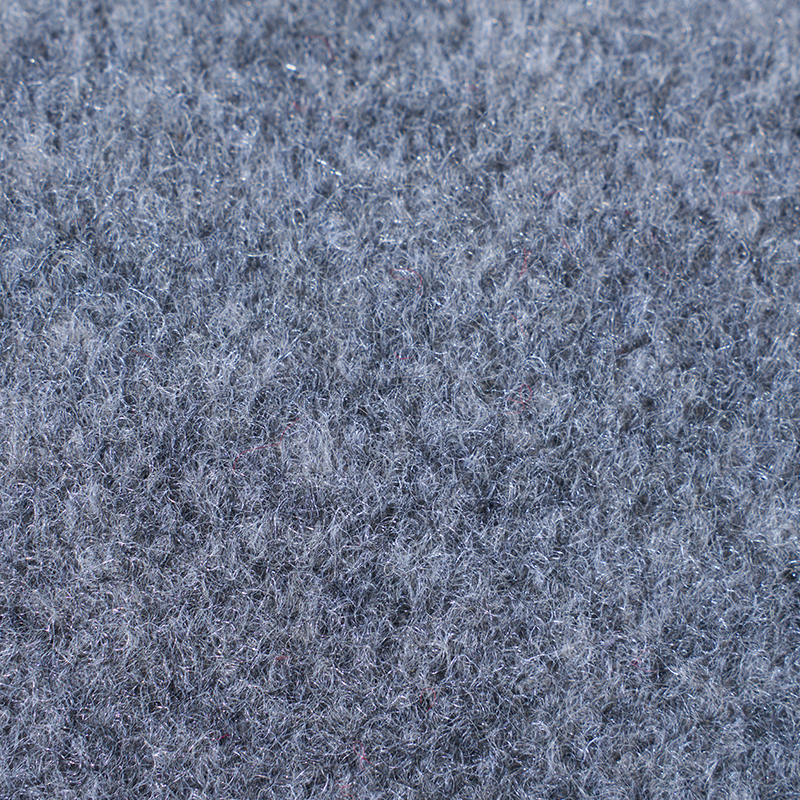
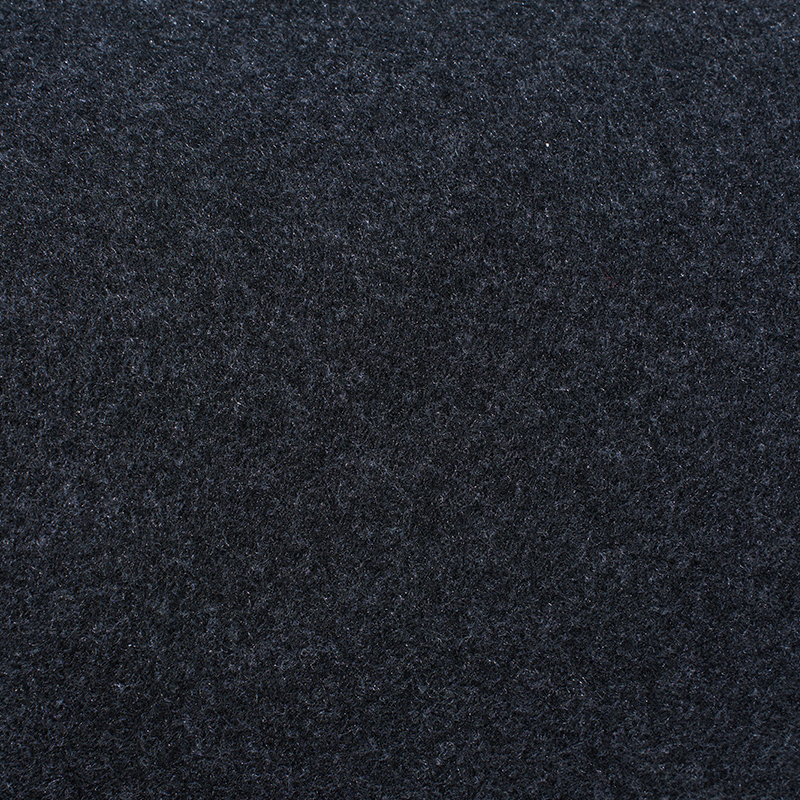
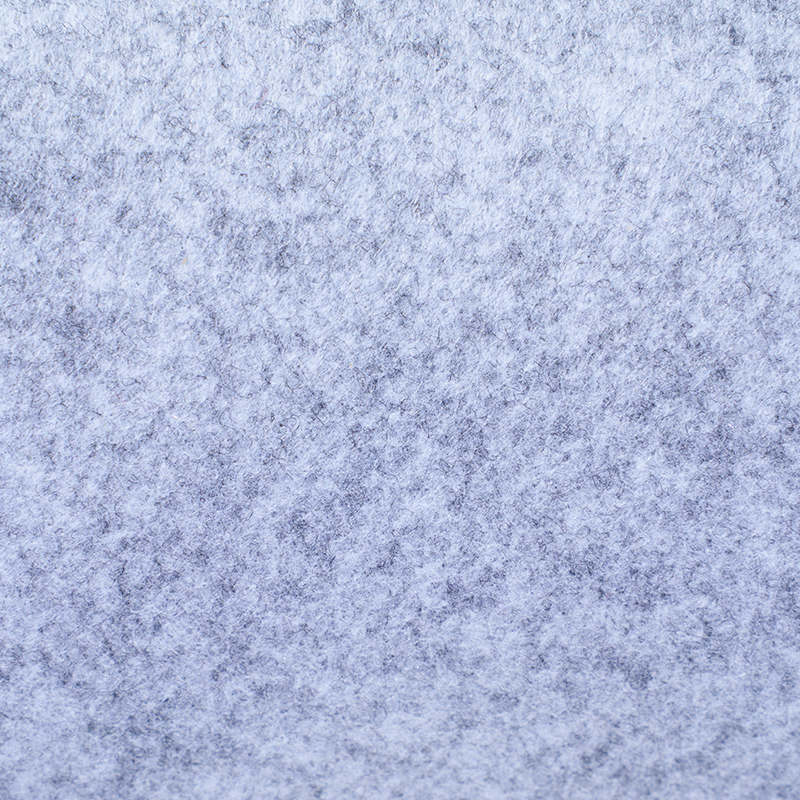
Needle punched non woven fabric has gained attention for its mechanical strength and adaptability across multiple sectors. Produced by mechanically entangling fibers through repeated needle penetration, this fabric forms a dense and uniform mat without the need for weaving. The process allows the combination of natural and synthetic fibers, giving manufacturers flexibility to tailor thickness, porosity, and durability to specific industrial requirements.
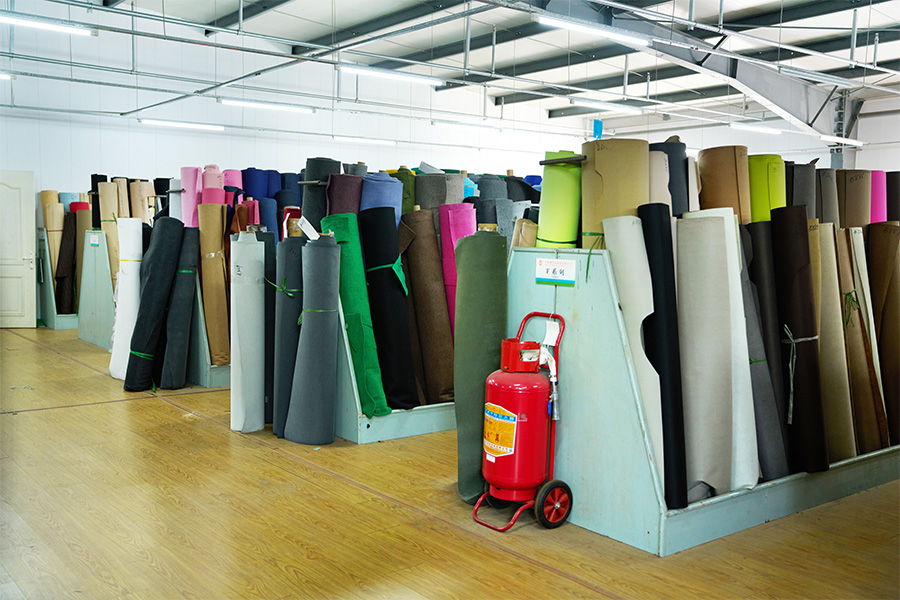
In industrial applications, needle punched non woven fabric is frequently used for filtration, insulation, and reinforcement. Its stable structure enables effective air and liquid filtration in HVAC systems and industrial processing units. The material’s thickness and density make it suitable as padding and protective layers for machinery, helping absorb vibration and reduce noise. Users in the automotive sector also rely on this fabric for interior components and underbody insulation, where resistance to abrasion and deformation is essential.
Beyond industrial use, needle punched non woven fabric has proven its versatility across furniture, packaging, and construction sectors. In furniture, it functions not only as padding and backing for cushions and upholstery but also as a protective underlayer beneath carpets, rugs, and mats, enhancing both comfort and durability. Its compressibility and resilience allow it to maintain shape over time, while the density of the fabric provides additional insulation and sound-dampening properties. These qualities make it a preferred choice for residential and commercial furniture applications where consistent support and longevity are required.
In packaging and construction, the fabric’s adaptability becomes even more evident. For packaging, it cushions fragile items, including electronics, glassware, and precision instruments, reducing the risk of impact damage during shipping or storage. In construction, needle-punched geotextiles reinforce soil, assist drainage, and prevent erosion, contributing to long-term stability in landscaping and civil engineering projects. Engineers and designers can specify fiber composition, thickness, and density to match specific performance requirements, ensuring the fabric delivers protective, supportive, and functional benefits tailored to each application.
The production of needle punched non woven fabric increasingly incorporates environmental considerations. Many manufacturers now use recycled fibers or blends without compromising strength or durability. Research indicates that including up to 50% recycled content preserves tensile properties similar to virgin fibers, making it a sustainable option for industrial supply chains. Once installed, fabric longevity relies on routine inspection for wear, contamination, and compression, ensuring that protective, supportive, and structural functions continue over time. This combination of performance and eco-conscious design makes the material widely applicable.
Needle punched non woven fabric remains a vital material across industrial and commercial applications. Its strength, adaptability, and ease of customization allow it to serve as a reliable component in filtration, insulation, reinforcement, and protective solutions.
Frequently Asked Questions
Q: What is needle punched non woven fabric?
A: It is a mechanically entangled fabric created by repeatedly piercing fibers with needles to form a dense mat.
Q: Where is it commonly used?
A: Industrial filtration, insulation, automotive components, furniture, packaging, and construction.
Q: Can it include recycled fibers?
A: Yes, incorporating recycled fibers can maintain strength and durability.
Q: How is its performance maintained?
A: Periodic inspection for wear, compression, or contamination ensures long-term functionality.
Q: What makes it versatile?
A: Adjustable thickness, fiber type, porosity, and mechanical strength enable multiple applications.