

 English
 Español
 عربى
عربى

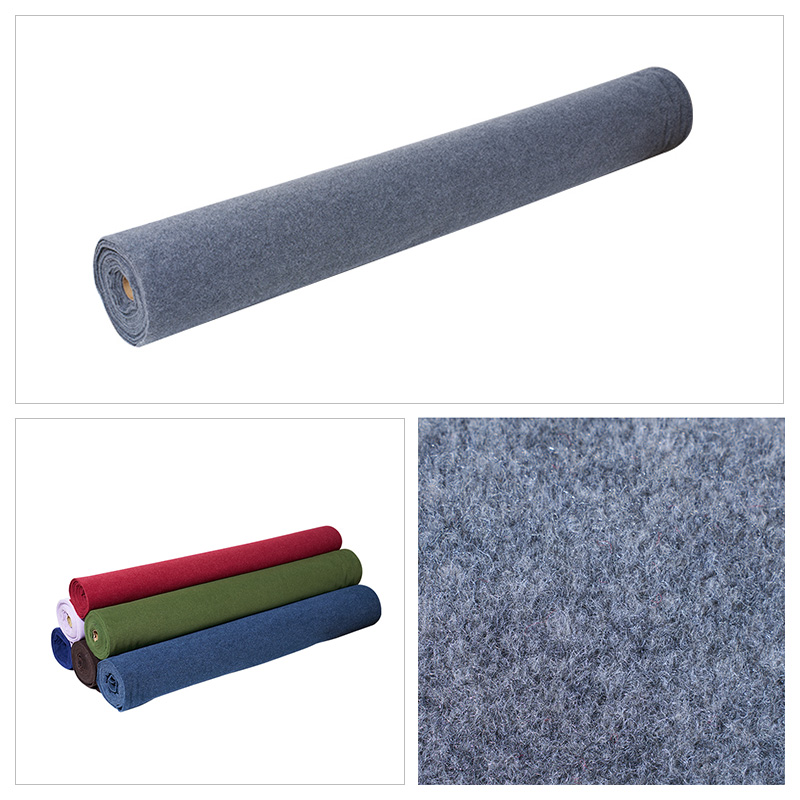
Recent shifts in manufacturing and vehicle design have drawn attention to material advancements across multiple sectors. Among these developments, a renewed focus on Felt Products has emerged, particularly for industrial machinery and automotive engineering. These materials are being adapted to meet requirements for noise control, vibration damping, thermal management, and sealing. Engineers and designers are exploring how updated felt compositions can support efficiency goals without adding unnecessary weight or complexity.
Heat-Resistant Formulations for Engine Environments
One area of progress involves improving the thermal tolerance of felt-based materials. Traditional felt could degrade when placed near high-temperature components such as exhaust systems or engine bays. Newer versions use fiber blends and binding methods that withstand higher operating temperatures while maintaining structural integrity. This allows Felt Products to be placed in areas where rubber or foam might fail over time. Applications include heat shields, gasket liners, and protective wraps around wiring or hoses.
Lightweight Options for Electric Vehicle Interiors
The rise of electric vehicles has created demand for materials that reduce overall vehicle mass. Felt Products made from engineered fibers offer a practical solution for interior trim, floor coverings, and door panels. Unlike heavier alternatives, these felt materials absorb sound effectively while contributing less to total vehicle weight. Manufacturers have also developed felt with controlled compressibility, which helps with fitting parts tightly without requiring additional fasteners. This combination of lightness and acoustic performance makes felt a preferred choice for many EV interior applications.
Precision Die-Cutting and Adhesive Backings
Another meaningful change is the shift toward pre-processed felt components. Rather than supplying large sheets for on-site cutting, suppliers now offer Felt Products in die-cut shapes with pressure-sensitive adhesives. This reduces installation time and material waste. In industrial settings, these pre-cut pieces are used for equipment leveling, vibration isolation, and dust sealing. The adhesive backing allows workers to apply felt directly to metal or plastic surfaces without extra glue or curing time. Factories report smoother assembly processes when using these ready-to-install felt parts.
Multi-Layer Composites for Combined Functions
Some recent designs combine felt with other materials to achieve multiple functions in one layer. For example, a felt sheet bonded to a thin film can provide both sound absorption and moisture resistance. Another version sandwiches felt between two woven fabrics, improving tear resistance while keeping the soft surface needed for contact applications. These multi-layer Felt Products appear in access panels, battery housing liners, and equipment casings. The ability to tailor each layer independently allows engineers to solve several design challenges with a single material choice.
Durability Testing Under Real Conditions
To ensure reliability, manufacturers have refined how they test felt materials. Instead of relying only on laboratory measurements, test protocols now simulate real-world conditions such as repeated compression, exposure to oils, and temperature cycling. Felt Products that pass these tests demonstrate consistent thickness recovery and retain their shape after extended use. This matters for applications like conveyor system pads or reciprocating machine seals, where even small changes in material height can affect performance. The move toward application-specific testing gives buyers more confidence in specifying talent for demanding roles.
Ongoing work focuses on improving the environmental profile of industrial felt without sacrificing function. Recycled fiber content and water-based binders are being introduced into some Felt Products while still meeting mechanical requirements. As industrial and automotive systems continue to evolve, felt materials are likely to appear in even more specialized applications, from battery thermal runaway barriers to acoustic underbody covers. The adaptability of felt, combined with steady material improvements, positions it as a relevant option for designers who need practical, predictable performance.