

 English
 Español
 عربى
عربى

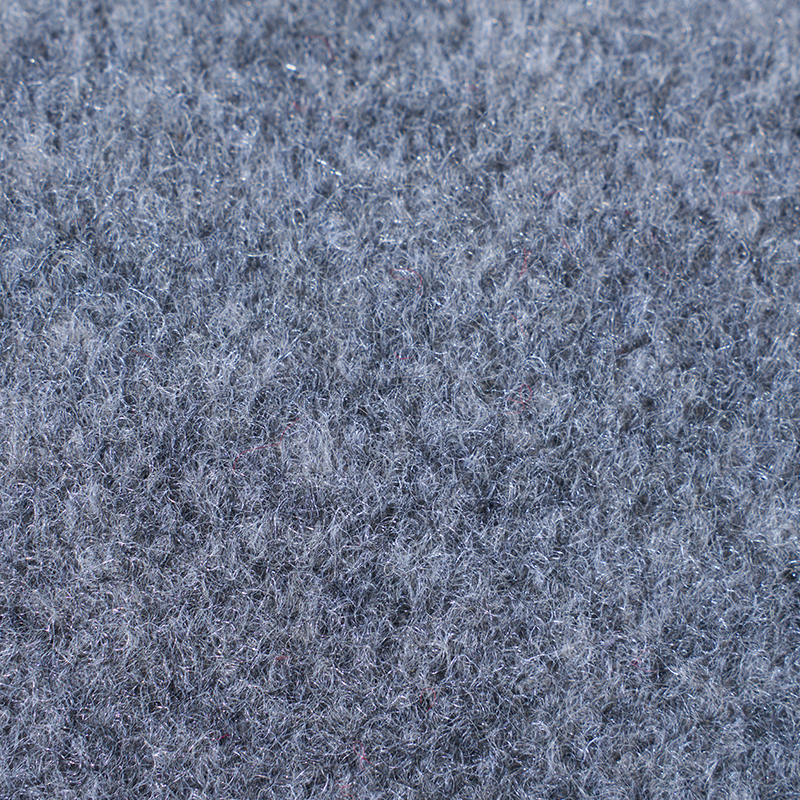
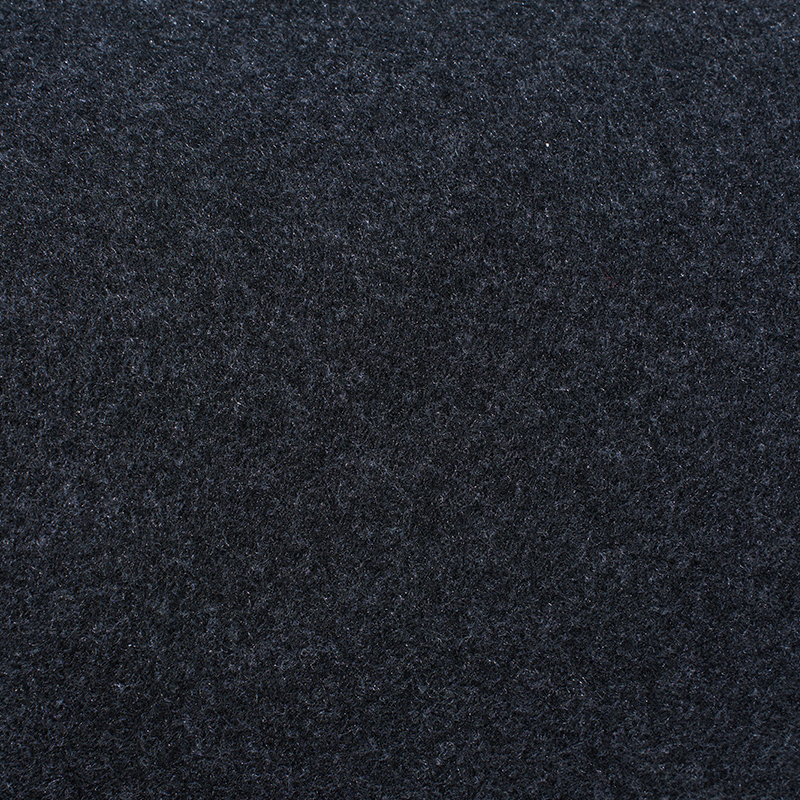
Felt products have long been valued for their versatility, bridging applications across industrial, commercial, and creative domains. These materials are typically manufactured by compressing fibers—both natural and synthetic—into a dense mat without weaving or knitting. This unique structure gives felt a uniform thickness, consistent density, and inherent flexibility, allowing it to conform to surfaces while maintaining durability. Depending on the type of fiber used and the manufacturing process, felt can vary in softness, stiffness, and resilience, making it adaptable to a wide range of performance requirements.

In industrial and commercial contexts, felt products are often applied for cushioning, insulation, and vibration dampening. They provide effective padding between moving components, absorb noise in machinery, and act as protective layers to reduce wear on sensitive surfaces. In furniture and flooring, felt functions as underlays or protective pads, extending the lifespan of materials while enhancing comfort. The combination of density and compressibility allows felt to perform consistently under pressure, which is critical in applications where reliable support and protection are required over time.
In manufacturing, felt is often used as padding, vibration dampening, and protective layers. Automotive applications include seat cushioning, dashboard insulation, and sound-absorbing panels. Data from industry reports shows that nearly 20% of synthetic felt production is allocated to transportation-related components, reflecting demand for materials that reduce wear and vibration. Beyond transportation, felt is also employed in furniture and flooring, providing soft support or acting as protective underlays for delicate surfaces. Its adaptability allows designers to tailor thickness, density, and composition to specific performance requirements.
Creative and artisanal applications remain equally important. Felt is favored for craft projects due to its ease of cutting, shaping, and color variety. Educational and hobbyist communities highlight its use in handmade decorations, toy assembly, and small-scale architectural models. These applications benefit from the material’s lightweight properties and dimensional stability, allowing users to create detailed designs without additional support. Manufacturers often offer pre-cut sheets and kits to simplify use for non-industrial purposes.
Environmental considerations have influenced felt production in recent years. Increasingly, recycled fibers and biodegradable options are incorporated to reduce ecological impact. Research indicates that felt products made from recycled synthetic fibers maintain over 85% of tensile strength compared to virgin materials, supporting both performance and sustainability goals. Additionally, felt’s thermal and acoustic insulation properties contribute to energy efficiency in certain building and industrial applications, underscoring its functional value.
Maintenance and long-term performance are also key factors in industrial contexts. Felt components in machinery or filtration systems require periodic inspection to ensure they maintain thickness, porosity, and protective function. Proper installation and care can extend the lifespan of felt components, reduce replacement frequency, and operational downtime.
Felt products continue to play a critical role in multiple sectors. Their combination of structural support, cushioning, and adaptability makes them suitable for both heavy-duty industrial use and delicate creative projects. As industries evolve and designers explore new applications, the role of felt in manufacturing, craft, and environmental solutions remains strong.
Frequently Asked Questions
Q: What are common applications for felt products?
A: Automotive components, furniture underlays, crafts, insulation, and filtration systems.
Q: Can felt be recycled?
A: Yes, many felt products use recycled fibers while maintaining performance.
Q: How is industrial felt maintained?
A: Regular inspection ensures thickness, density, and protective qualities are preserved.
Q: Are felt products suitable for crafts?
A: Yes, their ease of cutting and shaping makes them popular in creative projects.
Q: What properties make felt versatile?
A: Density, flexibility, vibration dampening, thermal insulation, and acoustic performance.