

 English
 Español
 عربى
عربى

Technological innovation has played a crucial role in advancing nonwoven fabric products, enabling both improved performance and expanded applications. In recent developments, collaborative efforts between research institutions and manufacturing enterprises have led to significant breakthroughs in nonwoven fabric technology, demonstrating how innovation can transform traditional production methods and enhance product quality.
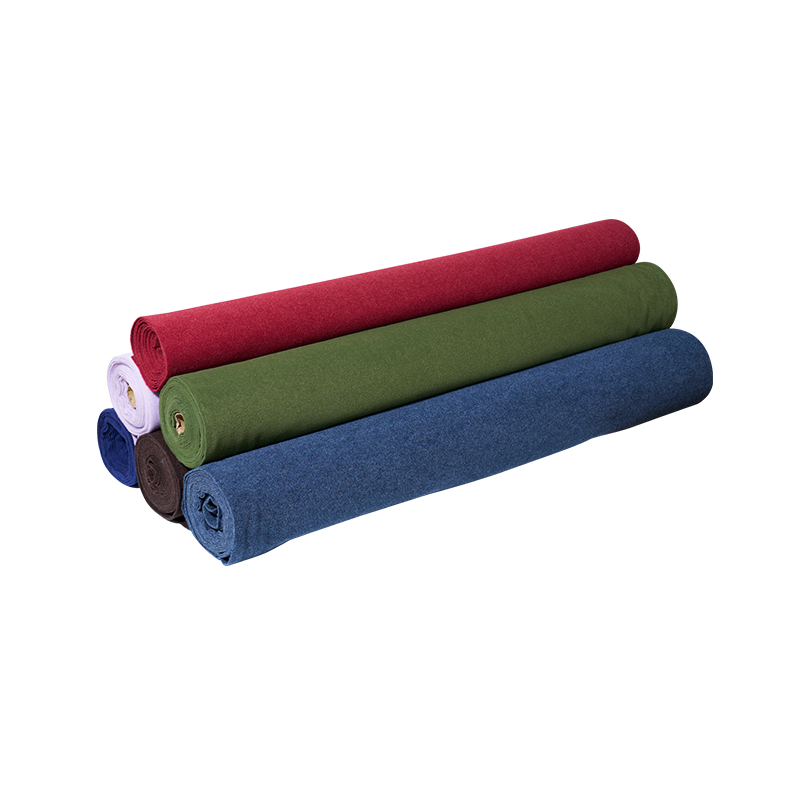
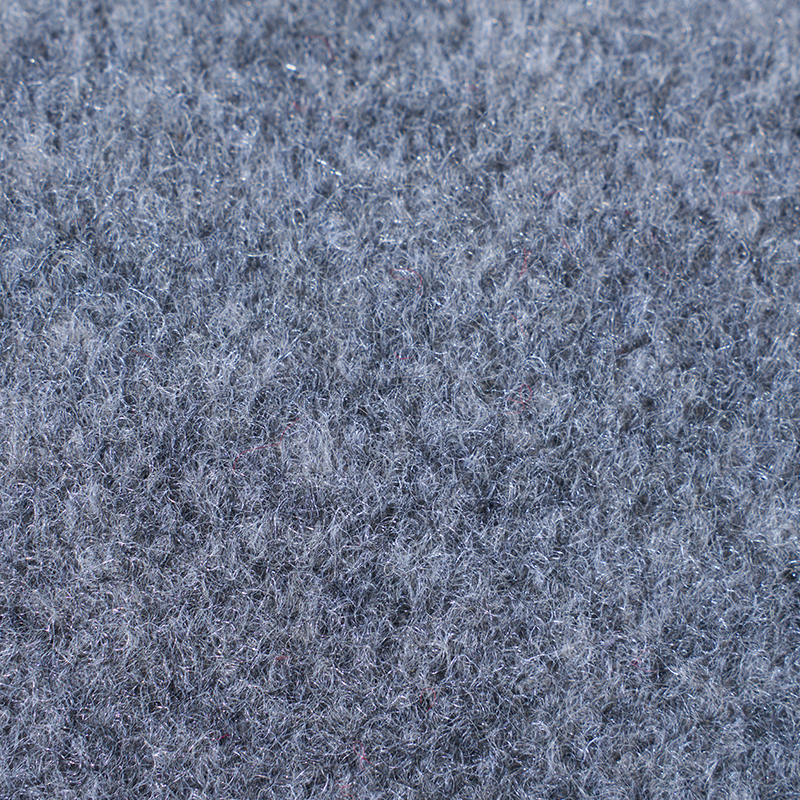
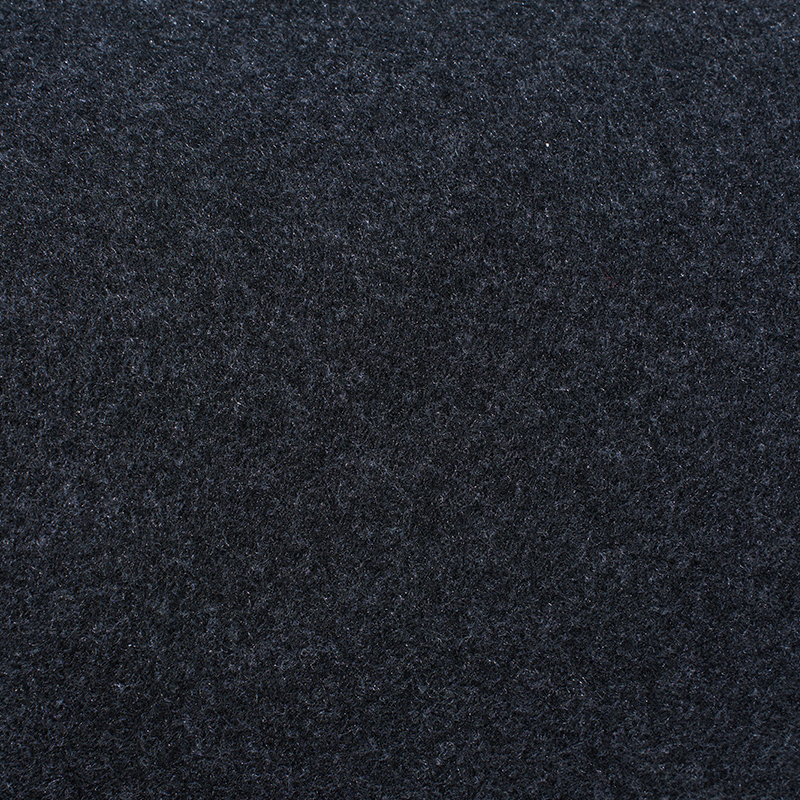
Nonwoven fabric is a versatile textile made by bonding fibers together through mechanical, thermal, or chemical processes without weaving or knitting. This manufacturing method produces a durable, lightweight, and flexible material with a uniform structure. Nonwoven fabrics are widely used across industries, including medical, hygiene, automotive, construction, and home furnishings, due to their strength, absorbency, and insulation properties. They can be easily cut, shaped, and treated for water resistance, flame retardancy, or enhanced durability. Combining practicality with adaptability, nonwoven fabrics offer an effective solution for both functional and creative applications, supporting innovation in various commercial and industrial fields.
One notable achievement is the development of an integrated core technology for nonwoven fabrics. This new approach addresses key challenges associated with traditional absorbent cores, such as uneven thickness and material breakage after absorbing liquids. By optimizing fiber distribution and bonding techniques, the integrated core ensures consistent performance across the entire fabric, improving reliability and user experience. This advancement has been particularly impactful in personal care products, such as absorbent layers used in hygiene items. Consumer tests have shown high satisfaction rates, indicating that these improvements meet practical needs and enhance comfort and usability. The successful replacement of previously imported materials with locally developed nonwoven fabric cores also demonstrates the potential for domestic innovation to reduce dependency on external sources while maintaining quality standards.
In addition to product-specific innovations, manufacturing technology has seen substantial upgrades. A company recently introduced a high-speed, fully automated production line for nonwoven fabrics, which significantly increases output while maintaining precise quality control. The adoption of advanced production techniques, including automated fiber layering, bonding, and inspection systems, allows manufacturers to achieve consistent thickness, density, and strength in the final product. These improvements not only enhance the performance of end-use products but also reduce material waste and improve overall production efficiency.
The combination of material innovation and advanced manufacturing techniques highlights a broader trend in the nonwoven fabric industry: the continuous pursuit of performance optimization and operational efficiency. By integrating research-driven technological solutions with automated production systems, manufacturers are able to produce fabrics that are more uniform, durable, and adaptable to various applications, ranging from hygiene products to medical and industrial uses.
Furthermore, ongoing collaboration between academic institutions and industry players fosters knowledge sharing and encourages the development of new methods and materials. Such partnerships are instrumental in driving sustainable innovation, as they allow for experimentation with novel fibers, bonding methods, and eco-friendly processes. This approach ensures that nonwoven fabrics continue to meet evolving consumer expectations and regulatory standards while promoting resource-efficient production.
In conclusion, technological innovation is a key driver in the evolution of nonwoven fabrics. From the development of integrated absorbent cores to the introduction of high-speed automated production lines, advancements in both materials and manufacturing processes are enabling upgraded products that offer improved performance, reliability, and user satisfaction. These developments underscore the growing importance of research and innovation in the nonwoven fabric industry, ensuring that products remain adaptable, efficient, and aligned with the needs of modern markets.